-
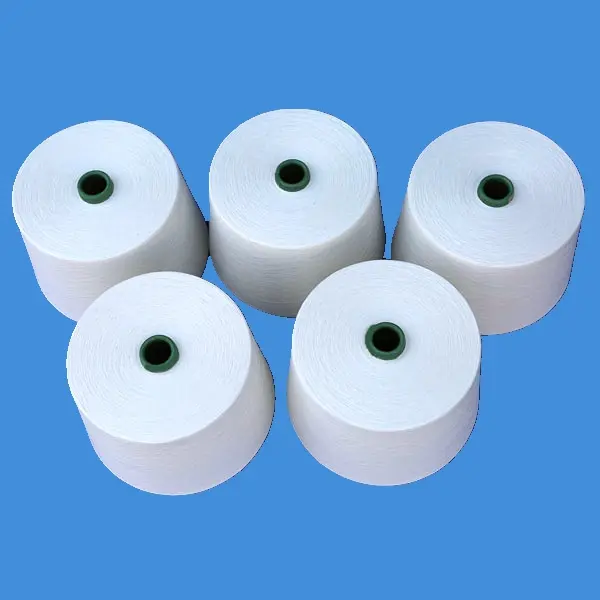
 cotton jumbo yarn
Hebei Henghe Bangxing New Material Co., Ltd. takes pride in offering premium Australian cotton yarn that sets new standards in textile excellence. As one of the leading Australian cotton yarn manufacturers , we specialize in producing high-count 80S combed yarns that combine luxurious softness with exceptional durability. Our innovative cotton merino yarn Australia blends represent the perfect mar
-
 black comforter set king
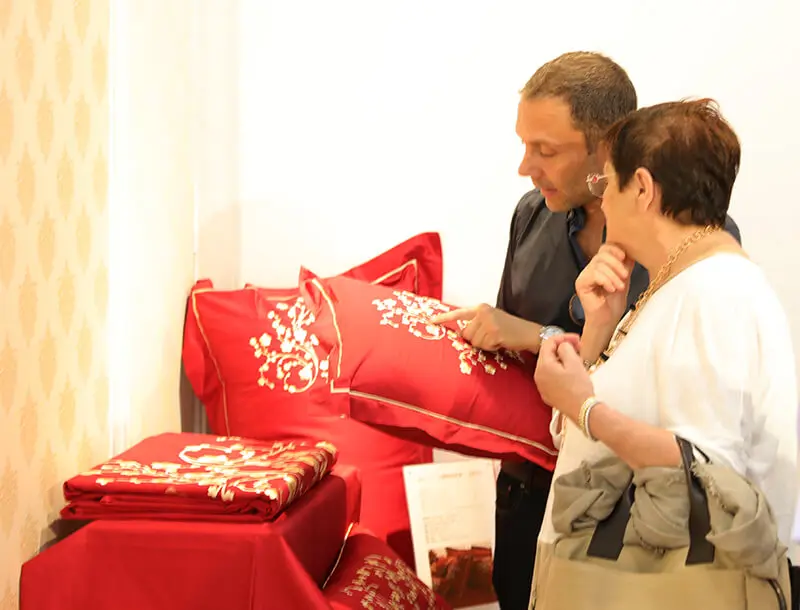
7 piece bed sheet set,7 piece comforter set,8 piece comforter set is a key solution in the household goods industry, specifically within home textiles and And bedding. This article explores how Hebei Henghe Bangxing New Material Co., Ltd. supports professionals with durable, high-performance products, and explains why this product is an ideal choice for businesses in these sectors. Table of Conten
-
 wild and woolly yarns
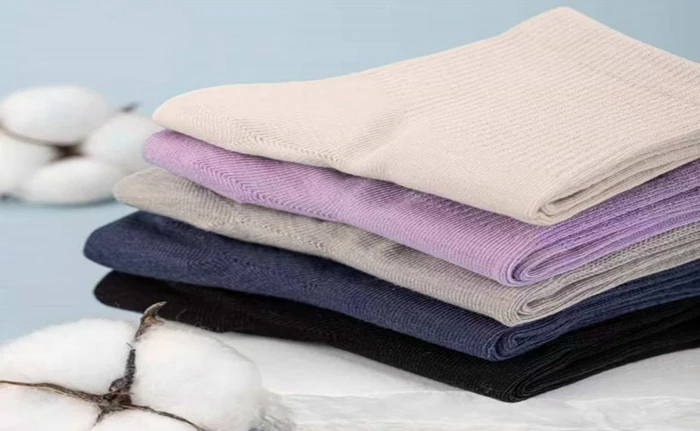
In the world of luxury textiles, alpaca wool yarn stands out as a pinnacle of softness, warmth, and durability. As discerning consumers and high-end brands increasingly seek sustainable and high-performance materials, alpaca wool has surged in popularity. This comprehensive guide delves into every facet of this exceptional fiber, exploring industry trends, advanced manufacturing like Siro-Spun tec
-
 twin size bed set
In the evolving landscape of home textiles, the bed cover set stands as a cornerstone of bedroom aesthetics and comfort. More than just a functional item, a bed cover set transforms a bedroom into a sanctuary, reflecting personal style while providing essential warmth and hygiene. This in-depth guide explores the intricacies of bed cover set s, from industry trends and technical specifications to
-
 cotton yarn for sweaters
Hebei Henghe Bangxing New Material Co., Ltd. specializes in crafting premium wool cotton yarn blends that combine the best qualities of natural fibers for superior baby clothing applications. Our innovative cotton wool blend yarn offers the perfect balance of softness, breathability, and warmth, making it ideal for delicate infant wear. The cotton wool mix yarn developed through our proprietary sp

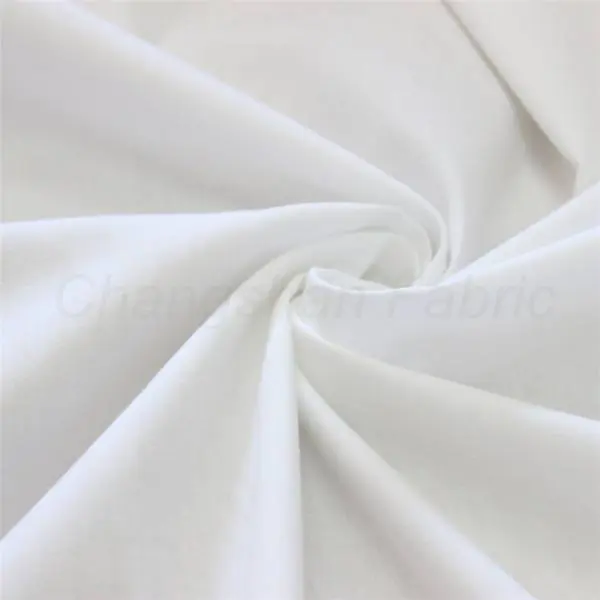
shirt fabric price
Understanding the Dynamics of Fabric Pricing in B2B Procurement In the intricate global textile supply chain, the t shirt fabric price is a critical determinant for profitability across various industries, from apparel manufacturing to specialized textile applications. For B2B decision-makers, comprehending the multifaceted factors that influence this pricing is paramount for strategic sourcing and cost optimization. Our 100% Cotton Dyed Shirting Fabric, for instance, represents a blend of quality, versatility, and economic efficiency, making it a staple for numerous applications requiring durable, comfortable, and aesthetically pleasing material. The cost components are not merely reflective of raw material expenses but encompass complex variables such as cotton futures, global shipping costs, energy prices for processing, labor wages, technological investments in dyeing and finishing, and stringent quality control measures. Furthermore, market demand, seasonal trends, and geopolitical stability can significantly sway pricing, necessitating a proactive and informed procurement strategy. This comprehensive understanding allows businesses to anticipate fluctuations, negotiate favorable terms, and maintain a competitive edge while ensuring consistent product quality. The inherent properties of cotton, combined with advanced dyeing techniques, contribute to a product that meets diverse industrial demands, balancing premium performance with a pragmatic pricing structure that aligns with large-volume procurement requirements. The Advanced Manufacturing Process of 100% Cotton Dyed Shirting Fabric The production of high-quality 100% Cotton Dyed Shirting Fabric involves a sophisticated, multi-stage manufacturing process, meticulously controlled to ensure superior texture, colorfastness, and durability. This journey begins with the careful selection of premium raw cotton fibers, sourced for their staple length, strength, and fineness. Once sorted and cleaned, these fibers undergo the spinning process, where they are transformed into uniform yarns, typically ranging from 20s to 60s count, influencing the final fabric's handfeel and drape. Following spinning, the yarns are prepared for weaving, often employing techniques like plain weave, twill, or oxford to create distinct shirting patterns and structural integrity. This is followed by critical pre-treatment phases, including desizing, scouring, and bleaching, which remove impurities and prepare the fabric for optimal dye absorption. Mercadorization is frequently applied to enhance tensile strength, luster, and dye uptake. The subsequent dyeing process utilizes state-of-the-art machinery and eco-friendly reactive dyes, ensuring precise color matching and exceptional colorfastness to washing, light, and rubbing, meeting international standards such as ISO 105. Advanced finishing treatments, like calendering for smoothness, sanforization for shrinkage control (often to within +/- 3%), and various chemical finishes for wrinkle resistance or softness, are then applied to achieve the desired performance characteristics. Each batch undergoes rigorous quality control inspections, adhering to industry benchmarks like ANSI/AATCC standards for color consistency, tear strength (e.g., warp > 25N, weft > 20N), and pilling resistance. This meticulous workflow guarantees a robust product with an extended lifespan, ideal for demanding apparel applications where performance and aesthetics are equally crucial. Throughout this elaborate manufacturing sequence, the choice of raw materials and precision in each processing step directly correlates with the final t shirt fabric price . Energy-efficient machinery and water recycling systems are integrated to reduce environmental impact and operational costs, indirectly contributing to a more competitive pricing structure. The fabric's inherent advantages, such as superior breathability, hypoallergenic properties, and comfort, make it highly sought after in diverse industries including formal wear, casual apparel, workwear, and even specialized home textile applications. Its robust construction ensures excellent resistance to wear and tear, making it particularly suitable for garments that undergo frequent washing and heavy use. Our commitment to these stringent manufacturing protocols, coupled with continuous investment in advanced textile technologies, underscores our dedication to delivering a product that not only meets but exceeds the expectations of our global B2B clientele, ensuring reliability and long-term value in every yard. Technical Parameters and Price Analysis of Cotton Fabrics Understanding the technical specifications of cotton fabrics is crucial for discerning the true value and application suitability, directly impacting the overall t shirt fabric price . Parameters such as fabric weight (GSM), thread count, weave type, width, and performance characteristics like colorfastness, shrinkage, and tensile strength are fundamental metrics for quality assessment. Our 100% Cotton Dyed Shirting Fabric typically features a balanced weave, offering optimal drape and durability, essential for formal and casual shirting. The GSM, often ranging from 110-160 g/m², indicates the fabric's thickness and weight, influencing its feel and warmth. High thread counts (e.g., 40x40, 60x60, 80x80) denote a finer, denser fabric with a smoother hand and enhanced durability. Colorfastness, measured against international standards (e.g., ISO 105-C06 for washing, ISO 105-X12 for rubbing), ensures the fabric retains its vibrant hue through repeated laundering and exposure. Shrinkage control, typically maintained at less than 3% in warp and weft, is vital for garment sizing stability. Tensile and tear strength figures, critical for fabric longevity, are rigorously tested to guarantee resistance against pulling and tearing forces. These technical benchmarks collectively define the fabric's quality tier and, consequently, its market value. Parameter Typical Range for 100% Cotton Dyed Shirting Fabric Impact on Price / Performance Material Composition 100% Premium Cotton Ensures breathability, comfort, and hypoallergenic properties. Purer cotton often commands higher base t shirt fabric price due to fiber quality. GSM (Grams per Square Meter) 110 - 160 g/m² Higher GSM indicates a denser, often more durable fabric, impacting raw material usage and contributing to cost. Thread Count (Warp x Weft) 40x40 to 80x80 (e.g., Poplin, Twill) Higher thread counts yield finer, smoother, and more luxurious fabrics, requiring more intricate weaving and thus affecting the t shirt fabric price . Width 57/58 inches (approx. 145-147 cm) Standard widths optimize cutting efficiency for garment manufacturers. Non-standard widths may incur additional cost. Color Fastness (to washing) Grade 4-5 (ISO 105-C06) Indicates excellent dye retention. Achieving higher grades requires advanced dyeing techniques and quality dyes, increasing production cost. Shrinkage (Warp/Weft) Less than +/- 3% Controlled shrinkage through processes like sanforization ensures dimensional stability, a critical quality for garment fit, impacting overall fabric value. Tensile Strength Warp > 25N, Weft > 20N (ASTM D5034) High tensile strength indicates strong, durable fabric resistant to tearing under stress, essential for longevity in various applications. Pilling Resistance Grade 3-4 (ASTM D3512) Resistance to fabric surface fuzziness, enhancing aesthetic appeal and extending product life. Achieved through specific finishing. The interplay of these technical specifications directly shapes the market positioning and therefore the t shirt fabric price . High-performance parameters often reflect superior raw materials, advanced manufacturing technologies, and rigorous quality assurance protocols, all of which contribute to a higher cost basis but deliver enhanced value and longevity. For example, a fabric with excellent colorfastness and minimal shrinkage reduces production risks for garment manufacturers, minimizing defects and returns, thereby offering long-term cost savings. Similarly, the specific types of dyes used (e.g., reactive, vat dyes for cotton) and the complexity of the dyeing process can significantly affect costs, with specialized finishes or custom color matching incurring higher expenses. Businesses must weigh the initial investment against the long-term benefits of durability, aesthetic retention, and customer satisfaction when selecting fabrics. Our transparent data presentation aims to empower our B2B clients with the necessary information to make informed purchasing decisions, aligning their product needs with optimal economic outcomes. This granular approach to understanding fabric characteristics ensures that clients receive not just a product, but a solution tailored to their specific technical and budgetary requirements. Versatile Application Scenarios and Competitive Advantages Our 100% Cotton Dyed Shirting Fabric is engineered for exceptional versatility, finding extensive application across numerous sectors, which in turn influences the broader market for t shirt fabric price variations depending on specific end-use demands. Predominantly, it serves as the foundational material for a wide array of men's and women's apparel, including formal dress shirts, casual button-downs, blouses, and children's wear, where comfort, breathability, and skin-friendliness are paramount. Beyond conventional garments, its robust nature and consistent color retention make it an excellent choice for workwear uniforms in sectors such as hospitality, healthcare, and corporate environments, where durability and a professional appearance are critical. Furthermore, the inherent strength and consistent weave pattern of this fabric make it highly suitable for technical textile applications, including specialty linings. For instance, while often considered in the context of apparel, the discussion of what fabric is used for bags often includes cotton for its lining, due to its soft touch, absorbency, and ability to protect contents. In this specific niche, our cotton fabric provides a superior internal finish, adding value to premium bag products. The competitive advantages of our 100% Cotton Dyed Shirting Fabric stem from its intrinsic properties and the advanced manufacturing processes it undergoes. Its natural breathability ensures wearer comfort in various climates, making it ideal for global apparel markets. The fabric is hypoallergenic, minimizing skin irritation, a crucial factor for sensitive skin and children's clothing. Exceptional absorbency makes it comfortable for daily wear, wicking away moisture. Moreover, the superior colorfastness achieved through reactive dyeing ensures the fabric maintains its aesthetic appeal even after repeated washing, offering longevity that translates into greater value for the end-user. This attribute is particularly important in industries where brand image and product durability are key. When considering cotton lining fabric price , our product stands out by offering a premium solution that balances cost-effectiveness with high performance. Its eco-friendly production methods further enhance its appeal to businesses committed to sustainable sourcing. Client feedback consistently highlights the fabric's consistent quality, ease of handling in garment production, and its ability to elevate the final product's perceived value. Our extensive service cases demonstrate successful implementation in large-scale uniform projects and high-volume fashion lines, underscoring its reliability and our commitment to customer satisfaction and support. Industry Trends, Manufacturer Comparison, and Customization Capabilities The textile industry is undergoing significant transformation, with key trends directly influencing the t shirt fabric price and overall sourcing strategies. Sustainability, traceability, and technological innovation are at the forefront. Consumers and businesses increasingly demand eco-friendly materials and transparent supply chains, driving investment in organic cotton, recycled fibers, and responsible dyeing practices. Digital printing and advanced finishing techniques are also gaining traction, offering greater design flexibility and shorter lead times. In this dynamic landscape, a direct comparison among manufacturers reveals distinct advantages. Leading suppliers distinguish themselves not just on competitive pricing but on proven track records of quality certifications (e.g., ISO 9001 for quality management, Oeko-Tex Standard 100 for textile safety), extensive R&D capabilities, robust production capacities, and a long history of service excellence. Our company, with years of dedicated service in the textile sector, prides itself on stringent quality control, demonstrated by adherence to international standards and consistent product performance. Our comprehensive testing data and analytical charts illustrate superior colorfastness, shrinkage control, and tensile strength compared to industry averages. Beyond standard offerings, our extensive customization capabilities provide a significant competitive edge, allowing us to cater to specific client needs that generic suppliers cannot fulfill. Whether it's precise color matching based on Pantone references, specialized finishes for enhanced wrinkle resistance or softness, unique weave patterns, or specific fabric weights (GSM), our R&D team works closely with clients to develop bespoke solutions. Minimum order quantities (MOQs) are tailored to balance production efficiency with client flexibility. For example, a recent case involved a major uniform supplier requiring a specific shade of dyed cotton shirting fabric with enhanced abrasion resistance for industrial workwear. We collaborated from concept to delivery, developing a custom finish that not only met but exceeded their performance requirements, ensuring the uniform's longevity and professional appearance. This project demonstrated our capacity for technical problem-solving and our commitment to client success, reinforcing our position as a trusted partner in the B2B textile market. This level of tailored service often translates to optimal t shirt fabric price value, as it mitigates risks associated with off-the-shelf solutions and ensures perfect product-market fit. Our ability to scale production while maintaining consistent quality makes us an ideal choice for both large-volume orders and specialized niche requirements, further solidifying our reputation in the industry. Ensuring Trustworthiness: FAQ, Delivery, and Warranty Frequently Asked Questions (FAQ) Q: What is the typical lead time for a standard order of 100% Cotton Dyed Shirting Fabric? A: For standard stock colors and specifications, our lead time is typically 15-20 business days from order confirmation and deposit receipt. Custom orders or large volumes may require 30-45 business days, depending on complexity and production queue. Q: How do you ensure the color consistency of dyed fabrics across different batches? A: We employ advanced spectrophotometers and maintain strict color standards, with each batch matched against approved samples and digital color data. Our quality control team conducts rigorous visual and instrumental color checks (Delta E values typically below 1.0) throughout the dyeing process to ensure consistent shade across production runs. Q: What is the minimum order quantity (MOQ) for custom dyed fabric? A: Our standard MOQ for custom dyed 100% Cotton Dyed Shirting Fabric is typically 2,000 meters per color. However, we are flexible and can discuss lower MOQs for pilot projects or specific developmental needs, though this might slightly impact the t shirt fabric price per meter. Q: What certifications do your fabrics hold? A: Our facilities and fabrics adhere to international quality and environmental standards, including ISO 9001 for quality management and Oeko-Tex Standard 100, ensuring our textiles are free from harmful substances. We can also provide GOTS (Global Organic Textile Standard) certified cotton upon request for specific orders, further demonstrating our commitment to sustainable practices. Delivery and Quality Assurance Commitment Our commitment to trustworthiness extends beyond product quality to encompass reliable delivery and comprehensive warranty support. We understand that timely delivery is paramount for B2B operations, influencing production schedules and market responsiveness. Our logistics team works diligently with established freight partners to ensure efficient and secure shipment, offering various options including FOB, CIF, and DDP to meet specific client preferences and international shipping requirements. We provide transparent communication throughout the delivery process, offering tracking information and proactive updates. Our standard packaging ensures fabrics are protected during transit, minimizing the risk of damage. In terms of quality assurance, every roll of 100% Cotton Dyed Shirting Fabric undergoes a multi-point inspection before dispatch, verifying all technical parameters, color consistency, and defect absence. We offer a comprehensive quality warranty, covering any manufacturing defects or deviations from agreed-upon specifications. Should any verifiable quality issues arise upon receipt of goods, clients are encouraged to contact our dedicated customer support team within a specified period (e.g., 30 days), and we commit to prompt resolution through replacement, credit, or appropriate compensation. Our long-standing relationships with global partners and our reputation for integrity are built on this foundation of robust quality control and responsive after-sales support. This holistic approach ensures that the investment in our fabric delivers sustained value, reinforces customer loyalty, and ultimately optimizes the overall procurement process, demonstrating that while t shirt fabric price is a factor, long-term reliability and supplier trust are equally, if not more, important considerations for strategic B2B partnerships. References International Organization for Standardization (ISO). (2018). ISO 9001:2015 - Quality management systems – Requirements. Oeko-Tex Association. (2023). Oeko-Tex Standard 100 - Confidence in Textiles. American Association of Textile Chemists and Colorists (AATCC). (2020). AATCC Test Method 105: Colorfastness to Water. ASTM International. (2019). ASTM D5034 - Standard Test Method for Breaking Strength and Elongation of Textile Fabrics (Grab Test). Textile Exchange. (2022). Organic Cotton Market Report 2022.
-
Manufacturing Bases
0
-
Spindles
0
-
Years Of Experience
0
-
Factory Scale
0

Feel Free To Contact Us
Want To Know More?
We focus on high-quality customization of home textiles, combining fashionable design with durable craftsmanship to add comfort and style to your home life.
Contact Us
-
What is corduroy fabric?
2026-04-02 11:24https://www.changshanfabric.com/images/auto/Y29yZHVyb3ktZmFicmljX-WJr-acrC5qcGc.webp
-
Workwear Fabric: Durable, High-Performance Textiles for Safety
2026-04-02 10:39https://www.changshanfabric.com/images/auto/changshanfabric-Cotton-twill-dyed-coated-fabric-1.webp
-
Why choose our wholesale fabric mills for bulk, low MOQ?
2026-04-02 10:16https://www.changshanfabric.com/images/auto/changshanfabric-650c95b81.webp
 Skin-friendly
 Versatile
 Durable
 Assured
-
Navigation
-
Main products
-
Navigation
-
Contact Us
 kewin.lee@changshanfabric.com

Room 1503, 15th Floor, Tianli Business Building, No. 34 Guang'an Street, Chang'an District, Shijiazhuang, Hebei
Copyright © 2025 Hebei Henghe Bangxing New Material Co., Ltd. All Rights Reserved. Privacy Policy